Dental Sealant Treatment from Your General Dentist
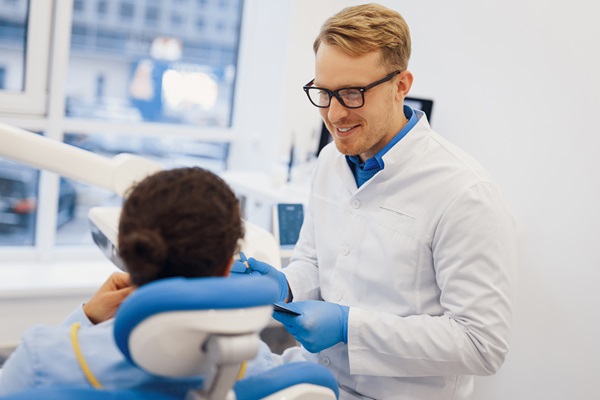
A general dentist often recommends a dental sealant for patients who want to take extra preventative measures to ensure the health and safety of their teeth. A sealant can be utilized if they feel like your molars and other teeth with deep grooves are at risk of suffering damage. If you consider a dental sealant treatment, keep reading to know the benefits involved and what to expect.
What is a dental sealant?
A dental sealant is a solution that gets applied onto the surface of the teeth and aids in preventing cavities and tooth decay. Using a dental sealant is reasonably simple, and most general dentists can do them easily in their offices. Dental sealants are especially important for children and those who consume large amounts of sugar.
First, your dentist will thoroughly clean and dry each tooth onto which the sealant will be applied. Ensuring that the sealant has a clean surface to be used to is crucial in ensuring its effectiveness.
The next step will be to ensure that the tooth surface is adequately prepared to receive the sealant. A tooth with slight roughness on the surface is best when applying dental sealant. An acidic solution is painted onto the teeth. The solution is then washed off, and the tooth is dried before finally applying the sealant.
Often, this is the final step of the process, but some dentists will use a curing light to make sure that the sealant properly adheres to the tooth’s surface.
How can a dental sealant help me?
Dental sealants are helpful to anyone concerned about the well-being of their teeth. It’s used as a preventative measure to protect against decay and cavities in between your dental visits. While dental sealants are often used on children due to their high sugar intake and lack of experience caring for their teeth, anyone can get a dental sealant.
Another reason sealants are recommended for children and teens is that as their permanent teeth are coming in, they are increasingly susceptible to decay and cavities. Deep grooves from incoming teeth make for an excellent target for decay and cavities.
Sealants are also valuable for protecting teeth from food and other buildups that frequently get lodged between them. The bond forms a smooth coating over the grooves of your teeth to keep things from getting trapped in them.
The great thing about dental sealants is that they are very long-lasting. Sealants are designed to last for up to 10 years. If they are cared for and maintained, they should stay that long. If you’re worried about the integrity of your sealant, then make sure your dentist is aware of them so that they can thoroughly check and reseal as needed.
Conclusion
Dental sealants are highly effective when it comes to protecting your teeth. They are one of the best preventative measures outside regular brushing and flossing to keep your teeth safe and intact. If you are worried about the health of your teeth or the teeth of your children, notify your general dentist and have them advise you about whether or not a sealant is necessary.
Request an appointment here: https://www.glowdentalspa.com or call Glow Dental Spa at (973) 524-7705 for an appointment in our Wayne office.
Check out what others are saying about our dental services on Yelp: General Dentist in Wayne, NJ.
Related Posts
A general dentist hears many questions shaped by old advice, social media trends, and outdated beliefs. While some myths sound harmless, they can lead people to delay care or make choices that affect oral health. Learning the facts helps patients protect their teeth, gums, and overall comfort. Here are seven common myths a general dentist…
The all-on-4 treatment method offers a reliable solution for replacing missing teeth and rebuilding confidence in your smile. While this treatment option uses existing bone density, the implant posts still need a strong, stable foundation to maintain everyday function. Osseointegration is a complex natural process that supports all-on-4 implants long after the initial placement. The…
Dentures and partial dentures require denture repair as needed, depending on the stage of your oral health, including any damage or wear that has occurred to the denture over time. If you notice that they are worn out or cracked, it's time to head to the dentist and get them fixed up so that you…
Have you been experiencing sensitive or bleeding gums? A trusted dentist can help diagnose and treat your soft tissues before minor irritation develops into long-term, serious oral health issues. If you are experiencing gum tenderness or bleeding while brushing, a professional evaluation can identify the underlying cause and effectively restore your gum health.Bleeding gums signal…